
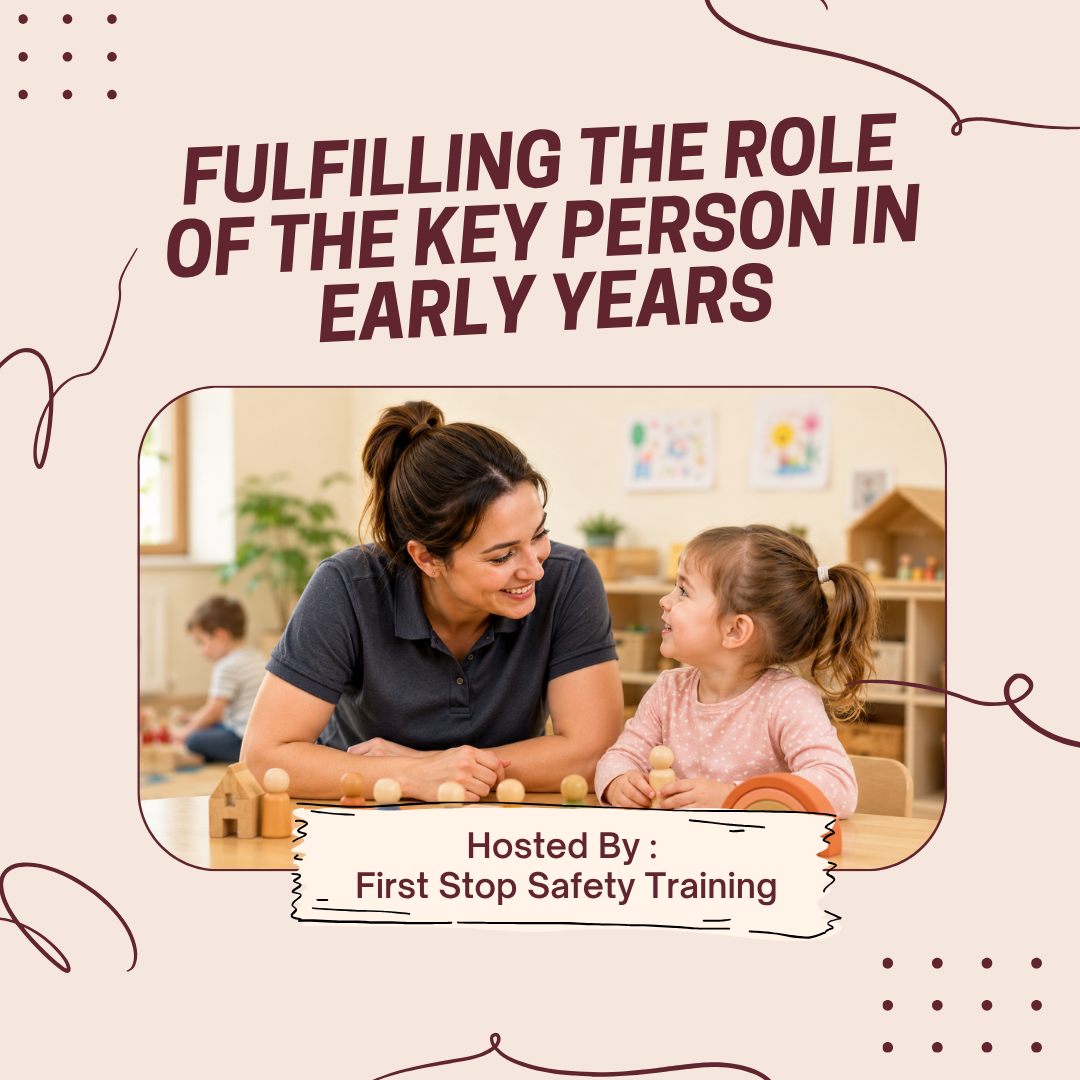

The role of the key person sits at the heart of high-quality Early Years practice.
For many children, their key person becomes the familiar face they look for when they arrive each day, the adult they turn to for reassurance when things feel difficult, and the person who helps them feel safe, valued and understood within the setting.
The relationships children build with trusted adults during the Early Years can have a significant impact on their confidence, wellbeing, learning and sense of belonging.
Being a key person is about much more than completing observations or acting as a point of contact for families.
It is about getting to know children as individuals, understanding what makes them unique, supporting them through challenges and celebrating their achievements along the way.
Every day, key persons help children settle into new environments, build friendships, manage big emotions, develop confidence and navigate important transitions.
They also work closely with parents and carers, creating partnerships that help ensure children receive consistent support both at home and within the setting.
Because key persons spend so much time with the children in their care, they are often the first practitioners to notice changes, recognise emerging needs or identify when additional support may be beneficial.
This responsibility requires professional judgement, strong communication skills and a genuine commitment to understanding every child as an individual.
This course has been designed to provide practical guidance that reflects the realities of everyday Early Years practice.
Rather than focusing solely on theory, it explores the role through real-life situations, everyday interactions and the decisions practitioners make regularly within their settings.
Whether you are new to the key person role or looking to strengthen your existing practice, this course will help you develop the confidence and understanding needed to build meaningful relationships and support positive outcomes for children and families.
What This Course Covers
Throughout this course, you will explore:
- The purpose and responsibilities of the key person role
- Building positive relationships with children
- Supporting emotional wellbeing and resilience
- Helping children settle into the setting
- Creating a sense of belonging and inclusion
- Understanding children’s individual needs and interests
- Working in partnership with parents and carers
- Observation, assessment and professional judgement
- Recognising when additional support may be needed
- Supporting children through transitions
- Reflecting on practice and professional development
Interactive and Engaging Learning
This course is designed to be practical, relevant and easy to apply within everyday Early Years practice.
You will take part in:
- Short lesson videos
- Interactive activities
- Realistic childcare scenarios
- Professional decision-making activities
- Reflection tasks linked to practice
- Downloadable templates and resources
- A final assessment
The activities throughout the course are designed to help you apply learning directly to your work with children and families.
Who This Course Is For
This course is suitable for:
- Early Years practitioners
- Nursery staff
- Childminders
- Room leaders
- Senior practitioners
- Early Years managers
- Playworkers
- Early Years students and trainees
- Family support staff
- Anyone carrying out, or preparing for, the key person role
CPD and Certification
This course contributes towards your Continuing Professional Development (CPD).
Approximate Duration: 60–90 Minutes
Includes:
- Interactive learning activities
- Scenario-based tasks
- Reflection activities
- Downloadable resources
- Final assessment
A CPD certificate is provided upon successful completion.
This training can be used as evidence for:
- CPD portfolios
- Staff training records
- Inspection evidence (Ofsted / Care Inspectorate)
- Supervision and appraisal discussions
- Workforce development records
Important Note
This course provides practical guidance to support practitioners fulfilling the role of the key person within Early Years settings.
It should be used alongside your setting’s:
- Observation and Assessment Procedures
- Additional Support Needs Procedures
- Safeguarding and Child Protection Procedures
- Partnership Working Policies
- Inclusion and Equality Policies
- Settling-In and Transition Procedures
- Confidentiality and Information Sharing Policies
- Current National Guidance
- Relevant Legislation
Always follow your setting’s policies, procedures and local requirements when carrying out the key person role.