Burns & Scalds
Almost half of all serious burns are to children under two years of age. Children’s skin is thinner and more delicate than an adult’s, a baby or toddler is at greater risk of serious burns. A hot drink can scald a baby even 15 minutes after it’s been made. Many children are left with permanent scarring.
A burn is caused by a dry heat source such as a fire or a radiator. A scald is caused by a wet heat source such as a hot drink or steam. Both can cause damage to the skin and are treated the same way.
Why are children at such high risk?
- They’re smaller so a burn to them compared to a full size adult will cover a larger surface area
- Their skin is up to 15 times thinner than an adults
- They’re more inquisitive do not understand the potential dangers
Depth of Burns
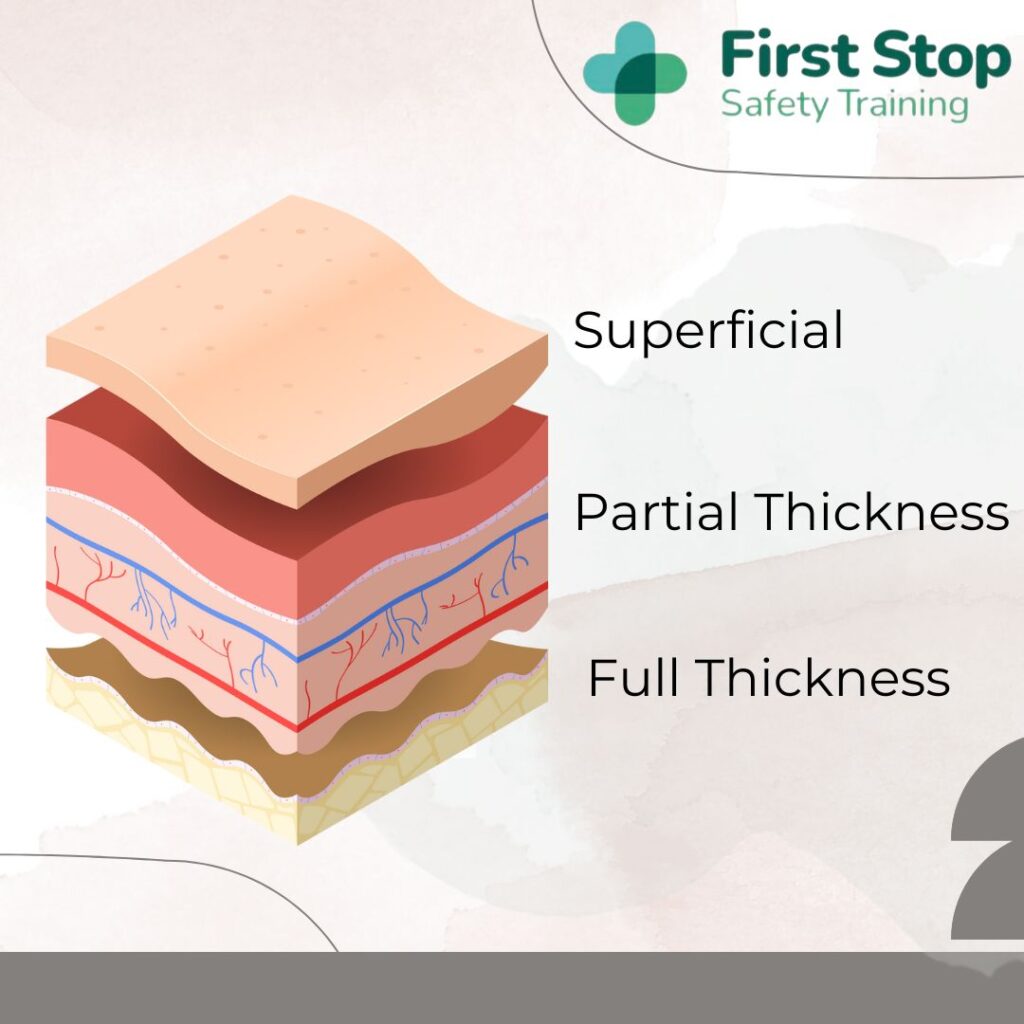
The skin has 3 layers. Burns are defined in accordance with the layer of skin that’s been affected.
- Superficial burns are to the outer layer of skin only. Often cause by hot water. Looks red, sore and swollen
- Partial thickness burns affects the top 2 layers of skin. Looks raw and blisters form
- Full thickness burns affects all layers of skin. May look pale, charred or waxy. Nerve endings will be burned away so casualty may not feel pain in area, this can be misleading, these are the most serious type of burn
Treatment
- Move the child away from the heat source and stop the burning if it is safe to do so
- Cool the burn or scald with cool, running water for 20 minutes. Immediate cooling is best but still beneficial after 3 hours. Cool the burned area only, and keep the rest of the casualty warm to avoid hypothermia. If water is not available use harmless liquids such as milk. If this isn’t an option apply a cool lint-free compress such as a wet tea towel
- Remove jewellery and tight clothing near the burn. This must be done quickly before the area starts to swell. Do not move anything stuck onto the skin
- Cover the burn/ scald with a dressing that won’t stick. Cling film works well. Remove the first few layers to keep it as sterile as possible and lay the film on the burn, do not wrap around a limb tightly. You could also use an unused plastic bag, a low adherent dressing or a clean, lint free cloth. If the burns appear severe or the child’s airway is compromised call 999/112
Do Not
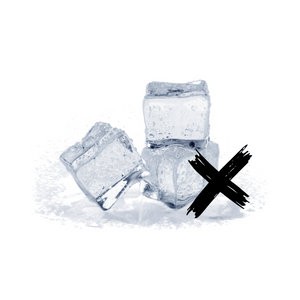
- Cool a burn with ice
- Burst blisters
- Touch the burn
- Apply creams or ointments
- Apply an adhesive dressing
- Remove clothing stuck to the burn
If the casualty is a child, seek medical advice or take the child to hospital however small the burn seems.
When the child will need to go to A&E-
- Chemical and electrical burns
- Large/ deep burns
- Burns that are white or charred
- Burns that extend around a limb
- Burns to the face, hands, feet, arms, legs or genitals that have blisters
- Any signs of shock
If someone has breathed in smoke or fumes, they should also get medical attention at hospital. Some symptoms may be delayed, and can include:
- coughing
- a sore throat
- difficulty breathing
- singed nasal hair
- facial burns
The amount of pain is not always related to how serious the burn is.
You may have written permission from the child’s parent or guardian to give medication to the child in pain such as over the counter medicine such as suspension paracetamol.