Diabetes

Diabetes is a long term condition in which the body is unable to produce sufficient insulin which causes the person’s blood sugar levels to become too high or too low. Insulin works by ‘burning off’ the sugars that we eat. There are two main types or diabetes. The main difference between type 1 and type 2 is that type 1 is a generic condition that often occurs in early life and type 2 is usually lifestyle related and develops later on in life. Type 1 affects around 8% of people with diabetes and type 2 affects around 90%
Type 1– this is where the person’s body’s immune system attacks and destroys the cells that produce insulin. Most children with diabetes have type 1.
Type 2– this is where the persons body does not produce enough insulin or their cells do not react to insulin. This is much more common than type 1. The number of children with Type 2 diabetes has increased significantly in the last few years.
Having high or low blood glucose (or sugar) levels can lead to serious health complications, no matter whether you have type 1 or type 2 diabetes. Diabetes symptoms depend on how high your blood sugar is.
Hypoglycaemia
Hypoglycaemia occurs when the blood sugar levels fall. It’s a rapid deterioration for the casualty. Here are some instances when this can occurs;
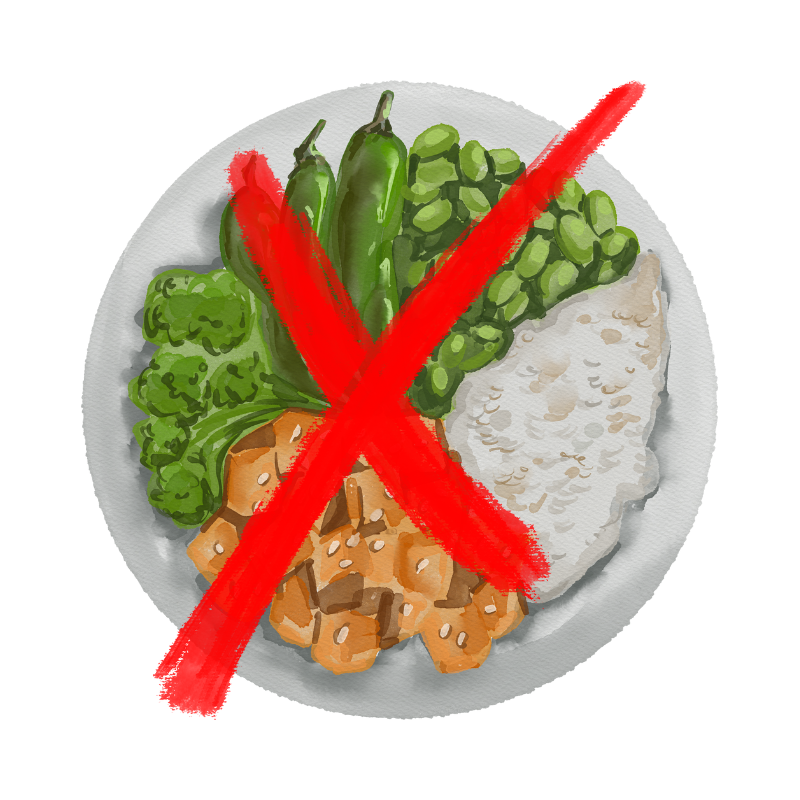
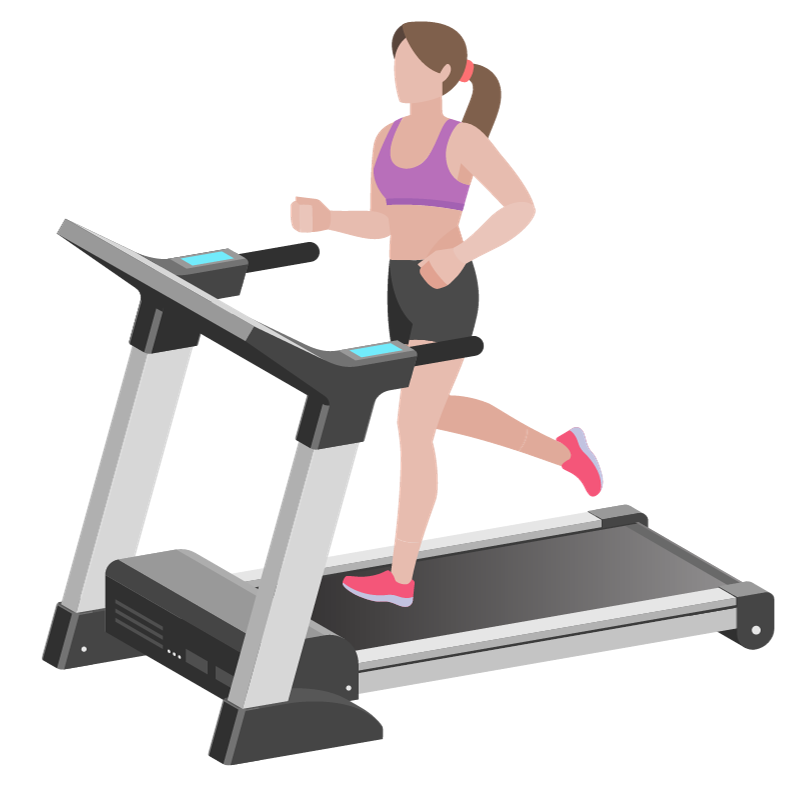
Recognition
- Strange, uncooperative behaviour, can become violent, may come across drunk
- Anxious, irritable
- Pale, cold, sweaty skin
- Unconsciousness
- Shallow, rapid breathing
- Fast pulse
- Tembling
- Blurred vision
- Upset, teary
- Headache
- Tired
- Lack of concentration
Treatment for Low Blood Sugar
- If the child is conscious and are able to swallow they need 10g glucose (15-20g for adults) eg 100ml glass of non-diet fizzy drink or fruit juice
- If they respond quickly give them more food and drink. If they do not respond to treatment within 10 minutes call 999/112 for emergency help
- If they become unresponsive check airway and breathing. If they are not breathing start CPR.
- If they are breathing normally put them in the recovery position and monitor them closely until help arrives.
- Never give an unconscious casualty anything to eat or drink
Hyperglycaemia
Hyperglycemia tends to develop slower over a period of hours or days. If it is not treated the child may become unresponsive and will require urgent treatment in hospital.
Here are some instances when this can occur;
- Missing a dose of insulin or other diabetes medication/ taking the incorrect dose
- Overeating during an episode of hypoglycaemia (low blood sugar)
- Eating too much
- Being unwell from an infection
- During a growth spurt
Treatment for High Blood Sugar
- Call 999/112 and state you suspect hyperglycaemia
- If the child is unresponsive check airway and breathing
- If they are breathing put them in the recovery position and closely monitor their airway and breathing
- If they are not breathing start CPR
You can get more information here – Link –https://www.diabetes.org.uk/guide-to-diabetes/your-child-and-diabetes/schools